headless.first
Blog

Headless CMS Insights

Migrations, replatforming guides, and engineering resources from the HeadlessFirst team.

Webflow's Hidden Costs and Limitations: What They Don't Tell You (And Why Headless Is the Answer)
WebflowWebflowHeadless CMS

Webflow's Hidden Costs and Limitations: What They Don't Tell You (And Why Headless Is the Answer)

Webflow is an excellent starting point — but as your business grows, a very real performance ceiling, mounting pricing traps, CMS lock-in, and developer experience tax start holding you back. Here's exactly where Webflow's walls are and why the teams that scale fastest have already moved to Next.js + headless CMS.

H

HeadlessFirst Team

Read more

All posts

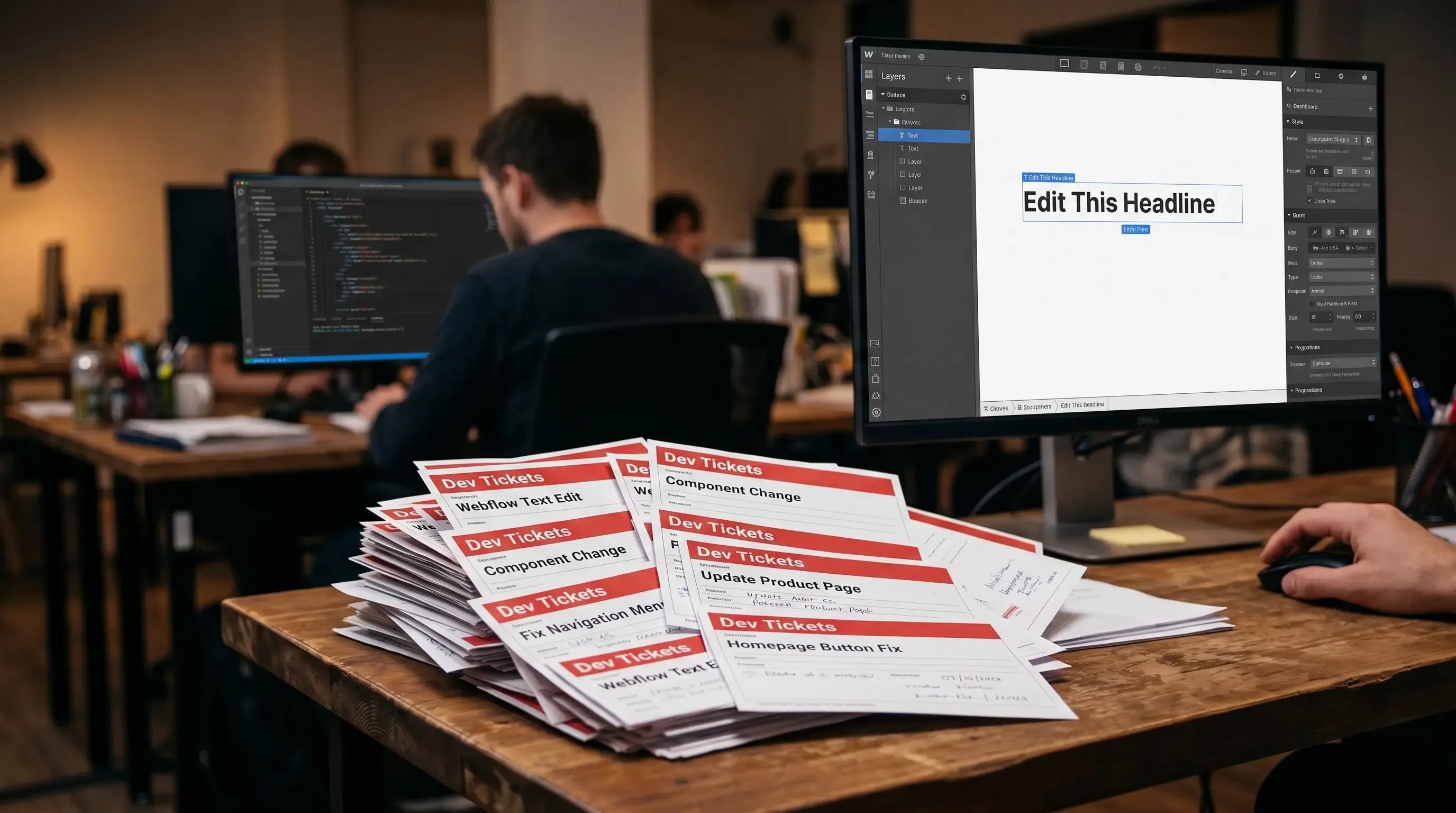
Why Your Marketing Team Is Still Filing Dev Tickets on Webflow
WebflowWebflowHeadless CMS

Why Your Marketing Team Is Still Filing Dev Tickets on Webflow

Webflow promised to free your team from developer dependency. So why is your content manager still filing tickets to change a homepage headline? A frank look at the Webflow editor experience problem — the two-interface trap, the missing workflow features, and how a headless CMS gives content teams true independence.

Is Webflow Secretly Killing Your SEO? The Performance Gap Nobody Talks About
WebflowWebflowSEO

Is Webflow Secretly Killing Your SEO? The Performance Gap Nobody Talks About

You're publishing great content and building backlinks — so why can't you crack Page 1? Your platform might be the problem. A deep-dive into how Webflow's rendering architecture, Core Web Vitals scores, and technical SEO limitations are costing you rankings and revenue every single month.

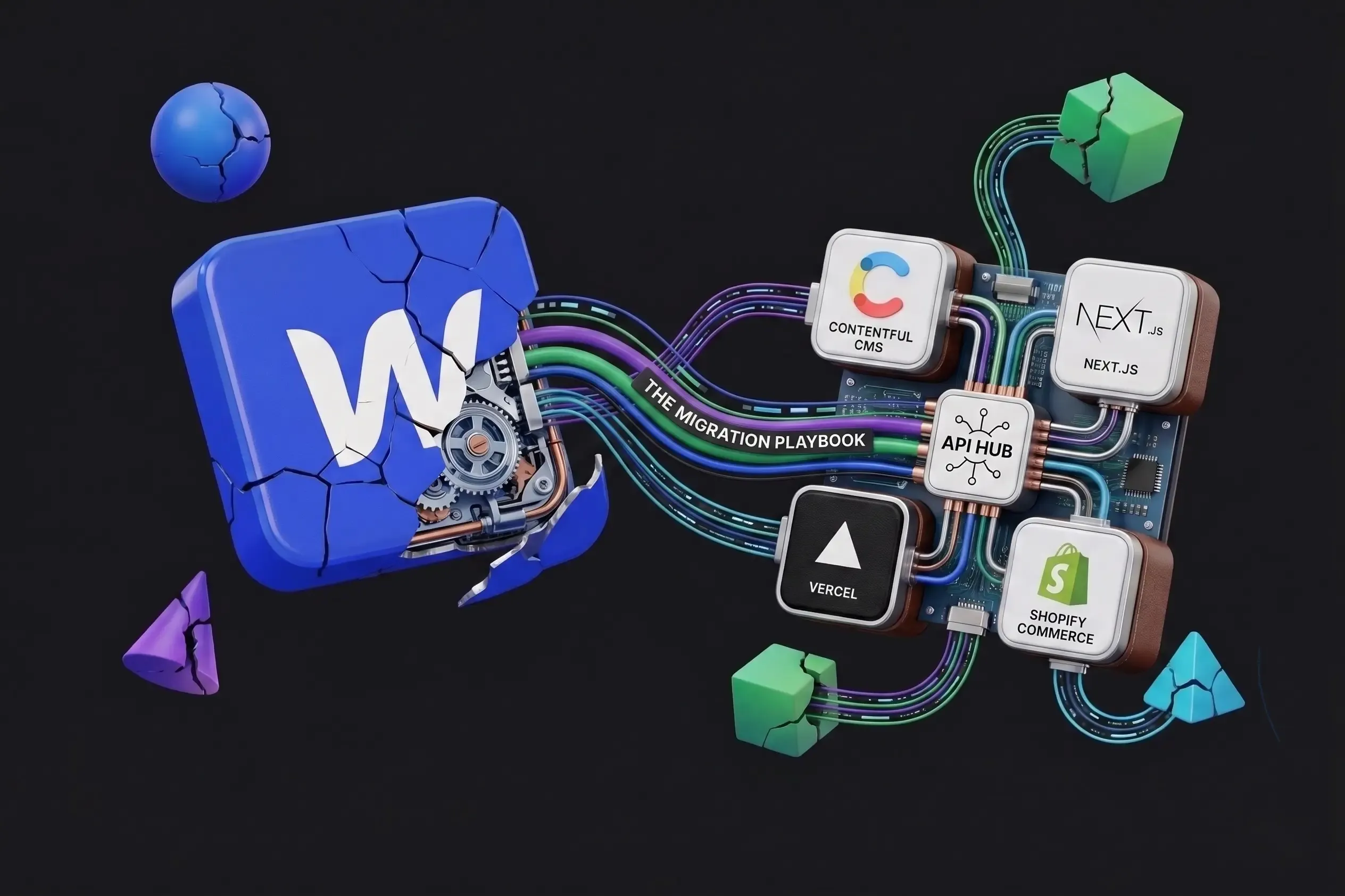
From Webflow to Headless: The Migration Playbook That Actually Works
WebflowWebflowMigration

From Webflow to Headless: The Migration Playbook That Actually Works

The decision to leave Webflow is made. Now what? A proven, phase-by-phase migration framework covering pre-migration audits, CMS selection, frontend development, DNS cutover strategy, redirect management, and realistic post-launch timelines — from a team that's done this more than a dozen times.

13,000 WordPress Sites Are Hacked Every Day. Is Yours Next?
WordPressWordPressSecurity

13,000 WordPress Sites Are Hacked Every Day. Is Yours Next?

WordPress powers 43% of the web and is hacked 13,000 times a day. With 11,334 new vulnerabilities discovered in 2026 alone — 96% from plugins — and a 5-hour window between public disclosure and mass exploitation, the security math for WordPress has never been more alarming. Here is what is actually at risk and why the architecture itself is the problem.

The WordPress Maintenance Tax: What That 'Free' CMS Is Actually Costing You
WordPressWordPressFor Business Owners

The WordPress Maintenance Tax: What That 'Free' CMS Is Actually Costing You

WordPress looks affordable until you add up the hosting upgrades, premium plugin renewals, developer hours for update management, security incident remediation, and performance optimisation work. A realistic 3-year cost breakdown reveals that the "free" CMS often costs more than the headless alternative — with none of the performance benefits.

Why WordPress's Biggest Strength Is Also Its Most Dangerous Weakness
WordPressWordPressSecurity

Why WordPress's Biggest Strength Is Also Its Most Dangerous Weakness

The 60,000-plugin ecosystem that makes WordPress so powerful is also an opaque dependency graph that nobody fully controls. Plugin conflicts, the perpetual update treadmill, abandoned plugins, and accumulated performance debt are not edge cases — they are the predictable outcomes of an architecture built on rented functionality.

WordPress Was Built for Blogs. Your Business Has Outgrown It.
WordPressWordPressPerformance

WordPress Was Built for Blogs. Your Business Has Outgrown It.

WordPress launched as a blogging tool in 2003. In 2025, it is being asked to power global e-commerce stores, multilingual enterprise sites, and multi-channel content operations. The monolithic PHP architecture that made WordPress accessible is the same architecture that creates performance bottlenecks, traffic spike failures, and scaling ceilings for growing businesses.

Headless CMS Explained Without the Jargon: What Your Business Actually Needs to Know
Headless CMSHeadless CMSFor Business Owners

Headless CMS Explained Without the Jargon: What Your Business Actually Needs to Know

"Headless CMS" sounds like developer jargon invented to make business owners feel out of the loop. It is not. The concept is genuinely simple, the business case is compelling, and understanding it takes about ten minutes. Here is the plain-English explanation: what it is, what it means for your website, and how to know whether it is the right choice for your business.

12